The Plastic Brain: How Learning and Experience Shape Our Minds | 5 min Quick Read
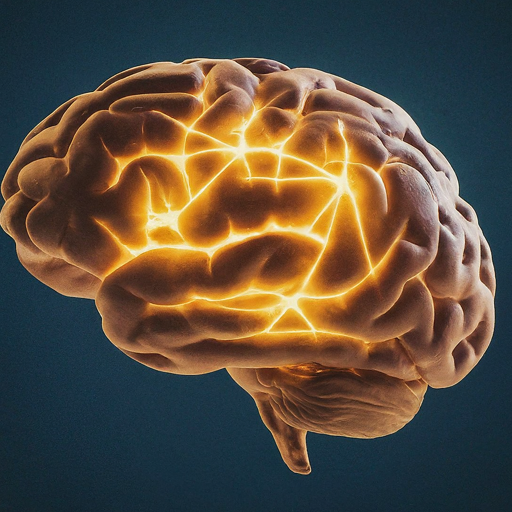
The human brain is often compared to a complex, sophisticated machine. While this analogy holds some truth, it doesn’t quite capture the brain’s most remarkable characteristic: its plasticity. Unlike a machine, which is static and unchanging, the brain is dynamic, constantly rewiring and adapting in response to learning and experience. This phenomenon, known as neuroplasticity, is at the heart of our ability to grow, learn, and adapt throughout our lives.
Table of Contents
What is Neuroplasticity?
Neuroplasticity refers to the brain’s ability to reorganize itself by forming new neural connections throughout life. This ability allows the brain to adjust its activities in response to new situations, changes in the environment, and even injury. There are two primary types of neuroplasticity: structural and functional.
Structural Plasticity: This involves changes in the physical structure of the brain. For instance, learning a new skill can lead to the growth of new neurons (neurogenesis) and the strengthening of synapses (the connections between neurons). This type of plasticity is often seen in areas of the brain responsible for specific skills. For example, musicians often have larger areas in the brain dedicated to fine motor skills and auditory processing.
Functional Plasticity: This type of plasticity refers to the brain’s ability to move functions from damaged areas to undamaged areas. This is particularly evident in stroke patients who regain lost abilities by retraining different parts of their brain to take over the functions that were compromised.
How Learning Changes the Brain
Every time we learn something new, whether it’s a language, a musical instrument, or a new route to work, our brain changes. This change happens at various levels:
Synaptic Plasticity: Learning strengthens the synapses between neurons. When we practice a new skill, the neurons involved in that skill fire together more frequently, strengthening their connections. This is often summarized by the phrase “neurons that fire together, wire together.”
Neurogenesis: Learning can stimulate the growth of new neurons, particularly in the hippocampus, a region of the brain associated with memory and learning. This process is influenced by various factors, including physical exercise, which has been shown to boost neurogenesis.
Cortical Remapping: When we acquire new skills or experiences, the brain can allocate more cortical space to the areas involved in those tasks. For example, the brains of London taxi drivers, who must memorize the city’s complex layout, show increased gray matter volume in the hippocampus compared to non-taxi drivers.
The Role of Experience
Experience plays a crucial role in shaping our brains. From the moment we are born, our interactions with the world around us influence our brain’s development. This influence is particularly profound during critical periods of development, such as early childhood, but continues throughout our lives.
Early Childhood: The brain is exceptionally plastic during early childhood, making it a critical period for cognitive, emotional, and social development. Experiences during this time can have lasting impacts on brain structure and function. For instance, children who grow up in enriched environments with plenty of stimuli tend to develop more robust neural connections.
Adulthood: Although the brain’s plasticity decreases with age, it never disappears. Adults continue to learn and adapt, and the brain remains capable of significant change. Lifelong learning and new experiences can help maintain cognitive function and even protect against neurodegenerative diseases.
Trauma and Recovery: Traumatic experiences can lead to changes in the brain, but they also demonstrate the brain’s resilience and capacity for recovery. Through therapeutic interventions and positive experiences, individuals can often rewire their brains to heal from trauma.
Harnessing Neuroplasticity
Understanding neuroplasticity opens up exciting possibilities for enhancing brain function and recovery. Here are some ways to harness the power of neuroplasticity:
Continuous Learning: Engaging in lifelong learning, whether through formal education, hobbies, or new experiences, keeps the brain active and promotes neuroplasticity.
Physical Exercise: Regular physical activity has been shown to boost neurogenesis and improve cognitive function. Activities like aerobic exercise, strength training, and even yoga can contribute to a healthier brain.
Mindfulness and Meditation: Practices like mindfulness and meditation can enhance brain plasticity, improve emotional regulation, and increase gray matter density in areas associated with attention and sensory processing.
Healthy Lifestyle: Adequate sleep, a balanced diet, and social interactions are all essential for maintaining brain health and promoting plasticity.
Mechanisms of Neuroplasticity
Understanding the mechanisms behind neuroplasticity requires a closer look at how the brain’s neural architecture can be altered through various processes:
Long-Term Potentiation (LTP): One of the most studied mechanisms, LTP, refers to the long-lasting strengthening of synapses based on recent patterns of activity. When neurons are repeatedly activated together, their synaptic connections become stronger, which enhances the efficiency of neural communication. This mechanism is fundamental to learning and memory.
Long-Term Depression (LTD): Conversely, LTD is a process by which synaptic connections become weaker. This is not a negative phenomenon but rather a crucial aspect of synaptic plasticity that allows for the pruning of less active connections, making the brain’s networks more efficient and flexible.
Synaptogenesis: This process involves the formation of new synapses. Synaptogenesis is particularly robust during early development but continues throughout life, especially when the brain is exposed to new learning experiences and environments.
Neurogenesis: The creation of new neurons from neural stem cells occurs primarily in the hippocampus, an area involved in memory and learning. Neurogenesis is influenced by various factors, including physical exercise, cognitive challenges, and a supportive environment.
Research Insights
Recent research has provided profound insights into the dynamic nature of the brain:
The London Taxi Driver Study: This landmark study demonstrated that the hippocampus of London taxi drivers, who are required to memorize the city’s intricate layout, is significantly larger compared to non-taxi drivers. This suggests that the brain can physically change in response to the demands placed upon it.
Bilingualism and Brain Plasticity: Studies have shown that bilingual individuals often have enhanced executive control functions and increased gray matter in areas associated with language processing and cognitive control. This reflects the brain’s adaptation to managing multiple languages.
Impact of Mindfulness Meditation: Research has indicated that mindfulness meditation can lead to structural changes in the brain, including increased thickness in the prefrontal cortex (associated with decision-making) and decreased volume in the amygdala (associated with stress and anxiety). These changes illustrate how sustained mental practices can reshape the brain.
Stroke Rehabilitation: Advances in neurorehabilitation have leveraged the principles of neuroplasticity to help stroke patients regain lost functions. Techniques such as constraint-induced movement therapy (forcing the use of the affected limb) encourage the brain to rewire and adapt, leading to significant functional recovery.
Summary
Till here, Our blog post explored the core concept of neuroplasticity, but this amazing ability of the brain has many fascinating layers. Here’s a deeper dive into some intriguing aspects:
The Role of Myelin: Imagine information traveling on a highway. Myelin acts like a sheath around nerve fibers, insulating them and speeding up the transmission of signals. Learning and experience can increase myelin production, making it easier and faster to recall information and perform skills.
Sensitive Periods: While neuroplasticity is present throughout life, there are sensitive periods during development when specific brain regions are particularly receptive to certain types of learning. For example, the early years are crucial for language acquisition and motor skill development.
The Impact of Environment: Our environment plays a significant role in shaping our brain. Factors like stress, social interaction, and even sleep can all influence neuroplasticity. Chronic stress can hinder the growth of new connections, while social interaction and a good night’s sleep can promote it.
The Potential for Recovery: Neuroplasticity is not just about learning new things. It also allows the brain to recover from damage. After a stroke or brain injury, the brain can reorganize itself to compensate for lost function. Rehabilitation therapies leverage this ability to help patients regain lost skills.
The Future of Neuroplasticity Research: Scientists are actively exploring the potential of neuroplasticity for treating various neurological conditions. Research is ongoing in areas like using brain stimulation techniques to enhance learning and memory, and even promoting recovery from neurodegenerative diseases like Alzheimer’s.
By understanding neuroplasticity, we can harness the power of our brains to keep learning, growing, and adapting throughout our lives. So, the next time you learn something new, remember, that you’re not just acquiring knowledge, you’re literally rewiring your brain for the better!
The journey of the brain is one of constant evolution, driven by our interactions with the world around us.